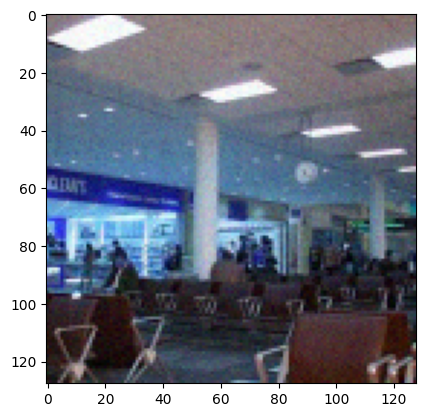
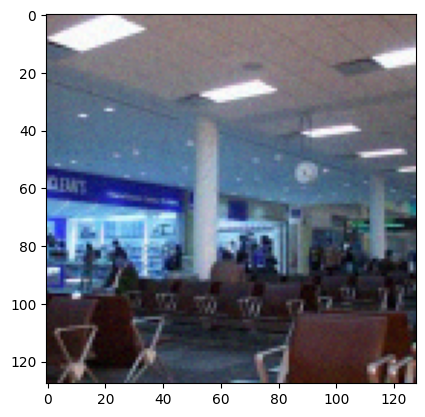
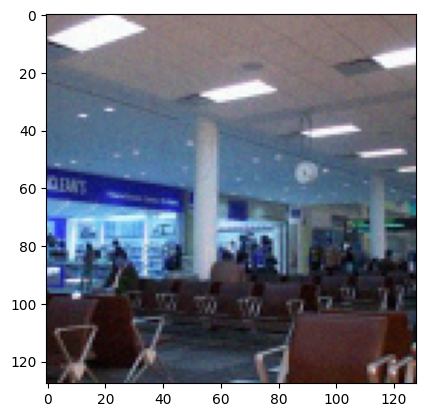
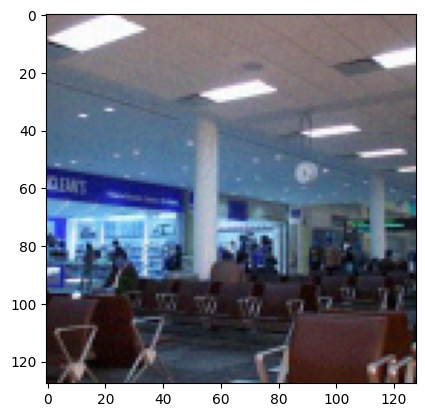
Boundary Attack

# Install the ART library (provides adversarial attacks)
!pip install adversarial-robustness-toolbox
Collecting adversarial-robustness-toolbox

  Downloading adversarial_robustness_toolbox-1.20.1-py3-none-any.whl.metadata (10 kB)

Requirement already satisfied: numpy>=1.18.0 in /usr/local/lib/python3.12/dist-packages (from adversarial-robustness-toolbox) (2.0.2)

Requirement already satisfied: scipy>=1.4.1 in /usr/local/lib/python3.12/dist-packages (from adversarial-robustness-toolbox) (1.16.3)

Requirement already satisfied: scikit-learn>=0.22.2 in /usr/local/lib/python3.12/dist-packages (from adversarial-robustness-toolbox) (1.6.1)

Requirement already satisfied: six in /usr/local/lib/python3.12/dist-packages (from adversarial-robustness-toolbox) (1.17.0)

Requirement already satisfied: setuptools in /usr/local/lib/python3.12/dist-packages (from adversarial-robustness-toolbox) (75.2.0)

Requirement already satisfied: tqdm in /usr/local/lib/python3.12/dist-packages (from adversarial-robustness-toolbox) (4.67.3)

Requirement already satisfied: joblib>=1.2.0 in /usr/local/lib/python3.12/dist-packages (from scikit-learn>=0.22.2->adversarial-robustness-toolbox) (1.5.3)

Requirement already satisfied: threadpoolctl>=3.1.0 in /usr/local/lib/python3.12/dist-packages (from scikit-learn>=0.22.2->adversarial-robustness-toolbox) (3.6.0)

Downloading adversarial_robustness_toolbox-1.20.1-py3-none-any.whl (1.1 MB)

   ━━━━━━━━━━━━━━━━━━━━━━━━━━━━━━━━━━━━━━━━ 0.0/1.1 MB ? eta -:--:--
   ━━━━━━━━━━╺━━━━━━━━━━━━━━━━━━━━━━━━━━━━━ 0.3/1.1 MB 8.3 MB/s eta 0:00:01
   ━━━━━━━━━━━━━━━━━━━━━━━━━━━━━━━━━━━━━━━━ 1.1/1.1 MB 16.8 MB/s eta 0:00:00

Installing collected packages: adversarial-robustness-toolbox

Successfully installed adversarial-robustness-toolbox-1.20.1
# Import libraries
import numpy as np
import tensorflow as tf
import matplotlib.pyplot as plt
import os
from os import listdir
import cv2
import natsort
from sklearn.model_selection import train_test_split

# Print the version of tensorflow
print("TensorFlow version:{}".format(tf.__version__))
TensorFlow version:2.19.0
# Download the dataset
!wget https://www.idahofallshighered.org/vakanski/Codes_Data/Scenes.zip
--2026-03-24 15:26:48--  https://www.idahofallshighered.org/vakanski/Codes_Data/Scenes.zip
Resolving www.idahofallshighered.org (www.idahofallshighered.org)... 50.6.2.30
Connecting to www.idahofallshighered.org (www.idahofallshighered.org)|50.6.2.30|:443... connected.
HTTP request sent, awaiting response... 200 OK
Length: 53412210 (51M) [application/zip]
Saving to: ‘Scenes.zip’

Scenes.zip          100%[===================>]  50.94M   115MB/s    in 0.4s    

2026-03-24 15:26:49 (115 MB/s) - ‘Scenes.zip’ saved [53412210/53412210]
# Uncompress the dataset
!unzip -uq "Scenes.zip" -d "sample_data/"
# Function to load the images and the labels from the dataset
def load_images_and_labels(directory):

    imgs_list = []
    labels_list = []

    # List of all subfolders in the directory
    subfolders_list_1 = listdir(directory)
    # Make sure that the subfolders are sorted
    subfolders_list = natsort.natsorted(subfolders_list_1)

    # Assign a label to each folder with images (0 to the first folder)
    lab = 0
    for subfolder_name in subfolders_list:
        sub_dir_path = directory + '/' + subfolder_name

        # Read the images as numpy arrays
        imagesList = listdir(sub_dir_path)
        for i in range(len(imagesList)):
          tmp_img = cv2.imread(os.path.join(sub_dir_path, imagesList[i]))
          # Resize all images to 128 x 128 pixels
          resized_img = cv2.resize(tmp_img, (128, 128))
          img_arr = np.array(resized_img)
          imgs_list.append(img_arr.astype(float))
          labels_list.append(lab)
        lab += 1

    # Convert the lists to numpy arrays
    imgs = np.asarray(imgs_list)
    labels = np.asarray(labels_list)

    return imgs, labels

# Use the above function to load the images and labels
all_images, all_labels = load_images_and_labels('sample_data/Scenes')
# Split into train, test, and validation sets
trainval_images, test_images, trainval_labels, test_labels = train_test_split(all_images, all_labels, test_size=0.2, random_state=11)
train_images, val_images, train_labels, val_labels = train_test_split(trainval_images, trainval_labels, test_size=0.2, random_state=12)
del all_images
# Display the shapes of train, validation, and test datasets
print('Images train shape: {} - Labels train shape: {}'.format(train_images.shape, train_labels.shape))
print('Images validation shape: {} - Labels validation shape: {}'.format(val_images.shape, val_labels.shape))
print('Images test shape: {} - Labels test shape: {}'.format(test_images.shape, test_labels.shape))

# Display the range of images
print('\nMax pixel value', np.max(train_images))
print('Min pixel value', np.min(train_images))
print('Average pixel value', np.mean(train_images))
print('Data type', train_images[0].dtype)

# Note that the images are in the [0,255] range
Images train shape: (2836, 128, 128, 3) - Labels train shape: (2836,)
Images validation shape: (710, 128, 128, 3) - Labels validation shape: (710,)
Images test shape: (887, 128, 128, 3) - Labels test shape: (887,)

Max pixel value 255.0
Min pixel value 0.0
Average pixel value 121.41789242735926
Data type float64
# A list with the names of the image classes
label_names = ['airport_terminal', 'amusement_park', 'bedroom', 'bridge', 'castle', 'conference_room',
               'golf_course', 'highway', 'mountain', 'playground']

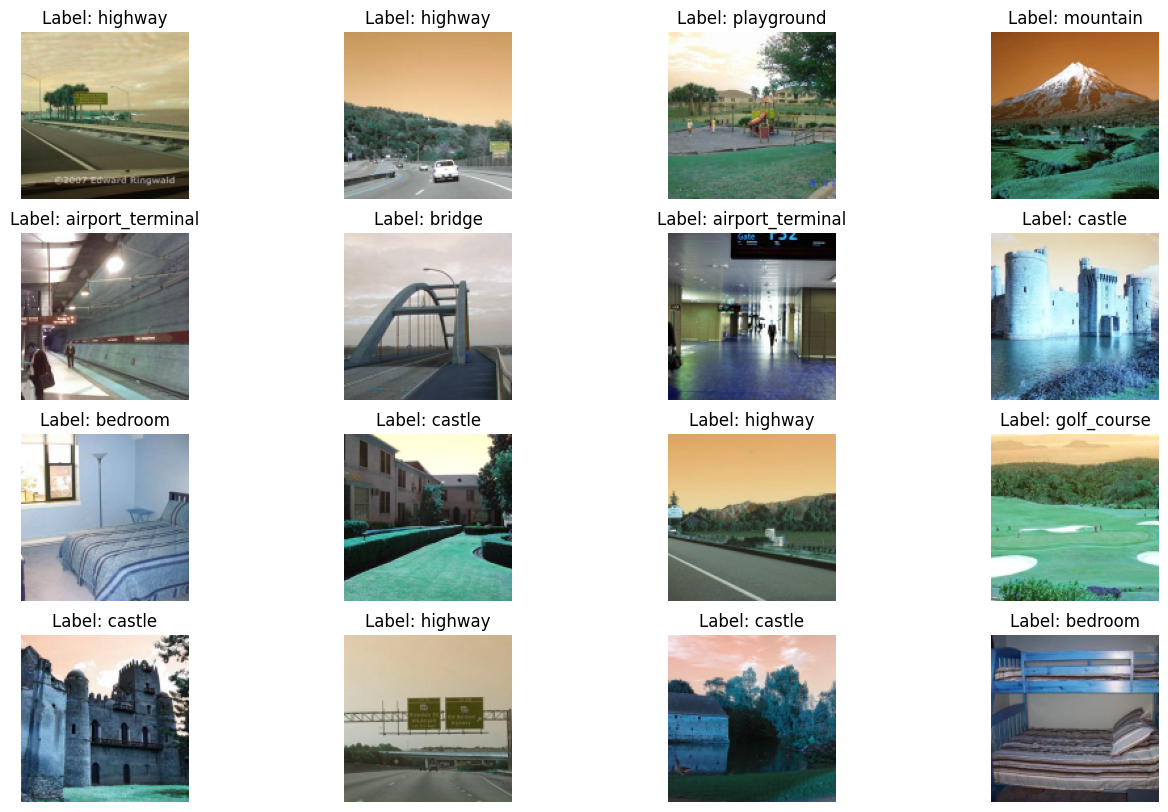
# Plot a few images to check if the labels make sense
plt.figure(figsize=(16, 10))
for n in range(16):
    i = np.random.randint(0, len(train_images), 1)
    ax = plt.subplot(4, 4, n+1)
    # Since the images are in [0,255] range, we use 'astype(np.uint8)' to plot them
    plt.imshow(train_images[i[0]].astype(np.uint8))
    plt.title('Label: ' + str(label_names[train_labels[i[0]]]))
    plt.axis('off')

from tensorflow.keras.models import Model
from tensorflow.keras.layers import Dense, GlobalAveragePooling2D, Dropout
from tensorflow.keras.optimizers import Adam
from tensorflow.keras.callbacks import EarlyStopping
from tensorflow.keras.applications import ResNet50

import datetime
now = datetime.datetime.now
base_model = ResNet50(weights='imagenet', include_top=False, input_shape=(128, 128, 3))

# Add a global spatial average pooling layer
x = base_model.output
x = GlobalAveragePooling2D()(x)
# Add a fully-connected layer
x = Dense(2048, activation='relu')(x)
x = Dropout(0.25)(x)
x = Dense(512, activation='relu')(x)
x = Dropout(0.25)(x)
# Add a softmax layer with 10 classes
predictions = Dense(10, activation='softmax')(x)

# The model
model = Model(inputs=base_model.input, outputs=predictions)
Downloading data from https://storage.googleapis.com/tensorflow/keras-applications/resnet/resnet50_weights_tf_dim_ordering_tf_kernels_notop.h5

94765736/94765736 ━━━━━━━━━━━━━━━━━━━━ 1s 0us/step
model.compile(optimizer=Adam(learning_rate=1e-4), loss='sparse_categorical_crossentropy', metrics = ['accuracy'])

# fit model
callbacks = [EarlyStopping(monitor='val_loss', patience=3)]

t = now()
history = model.fit(train_images, train_labels, epochs=100, batch_size=64,
                     validation_data=[val_images, val_labels], verbose=1, callbacks=callbacks)
print('\nTraining time: %s' % (now() - t))
Epoch 1/100

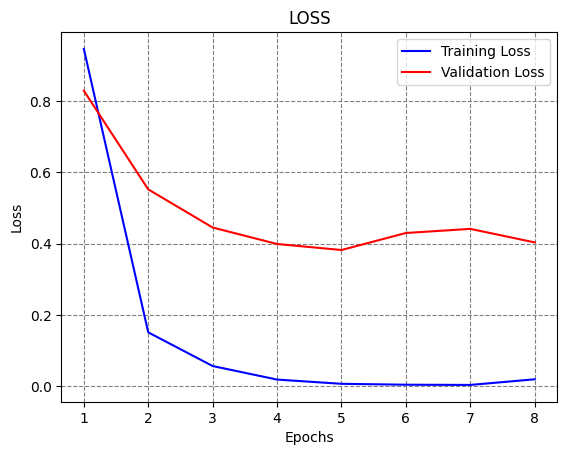
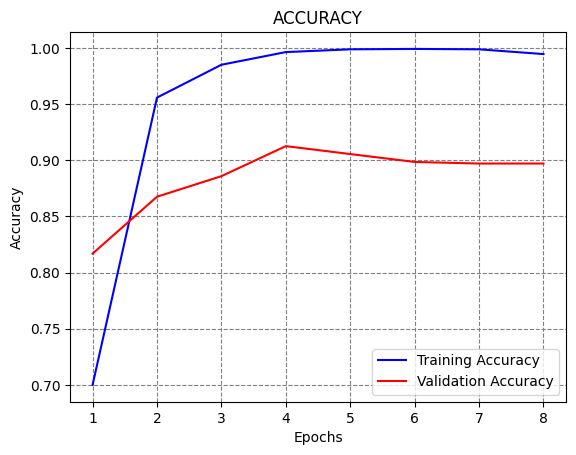
45/45 ━━━━━━━━━━━━━━━━━━━━ 103s 910ms/step - accuracy: 0.6999 - loss: 0.9455 - val_accuracy: 0.8169 - val_loss: 0.8284

Epoch 2/100

45/45 ━━━━━━━━━━━━━━━━━━━━ 9s 203ms/step - accuracy: 0.9559 - loss: 0.1509 - val_accuracy: 0.8676 - val_loss: 0.5517

Epoch 3/100

45/45 ━━━━━━━━━━━━━━━━━━━━ 9s 206ms/step - accuracy: 0.9852 - loss: 0.0565 - val_accuracy: 0.8859 - val_loss: 0.4448

Epoch 4/100

45/45 ━━━━━━━━━━━━━━━━━━━━ 9s 208ms/step - accuracy: 0.9965 - loss: 0.0185 - val_accuracy: 0.9127 - val_loss: 0.3986

Epoch 5/100

45/45 ━━━━━━━━━━━━━━━━━━━━ 9s 210ms/step - accuracy: 0.9989 - loss: 0.0067 - val_accuracy: 0.9056 - val_loss: 0.3818

Epoch 6/100

45/45 ━━━━━━━━━━━━━━━━━━━━ 10s 213ms/step - accuracy: 0.9993 - loss: 0.0041 - val_accuracy: 0.8986 - val_loss: 0.4294

Epoch 7/100

45/45 ━━━━━━━━━━━━━━━━━━━━ 10s 217ms/step - accuracy: 0.9989 - loss: 0.0036 - val_accuracy: 0.8972 - val_loss: 0.4410

Epoch 8/100

45/45 ━━━━━━━━━━━━━━━━━━━━ 10s 221ms/step - accuracy: 0.9947 - loss: 0.0193 - val_accuracy: 0.8972 - val_loss: 0.4031


Training time: 0:02:50.771792
# Plot the loss and accuracy
train_loss = history.history['loss']
val_loss = history.history['val_loss']
acc = history.history['accuracy']
val_acc = history.history['val_accuracy']

epochsn = np.arange(1, len(train_loss)+1,1)
plt.plot(epochsn,train_loss, 'b', label='Training Loss')
plt.plot(epochsn,val_loss, 'r', label='Validation Loss')
plt.grid(color='gray', linestyle='--')
plt.legend()
plt.title('LOSS')
plt.xlabel('Epochs')
plt.ylabel('Loss')

plt.figure()
plt.plot(epochsn, acc, 'b', label='Training Accuracy')
plt.plot(epochsn, val_acc, 'r', label='Validation Accuracy')
plt.grid(color='gray', linestyle='--')
plt.legend()
plt.title('ACCURACY')
plt.xlabel('Epochs')
plt.ylabel('Accuracy')
plt.show()

# Evaluate on test images
evals_test = model.evaluate(test_images, test_labels)
print("Classification Accuracy: ", evals_test[1])
28/28 ━━━━━━━━━━━━━━━━━━━━ 8s 166ms/step - accuracy: 0.9019 - loss: 0.4110

Classification Accuracy:  0.9019165635108948
from art.estimators.classification import TensorFlowV2Classifier
from art.attacks.evasion import BoundaryAttack
# TensorFlowV2Classifier requires to specify the number of classes, input shape, and values of the inputs
classifier = TensorFlowV2Classifier(model=model, nb_classes=10, input_shape=(128, 128, 3), clip_values=(0, 255))

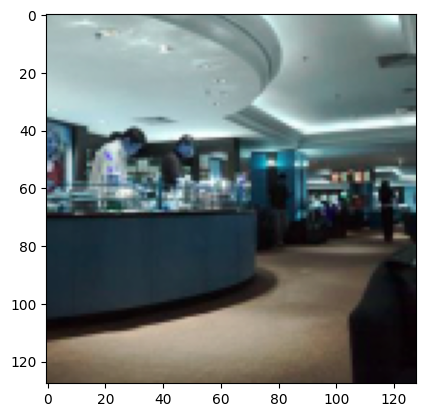
Boundary Untargeted Attack

label_names = ['airport_terminal', 'amusement_park', 'bedroom', 'bridge', 'castle', 'conference_room',
               'golf_course', 'highway', 'mountain', 'playground']
# Let's use the first test images to create an adversarial example
# Plot the image and display the true and predicted class
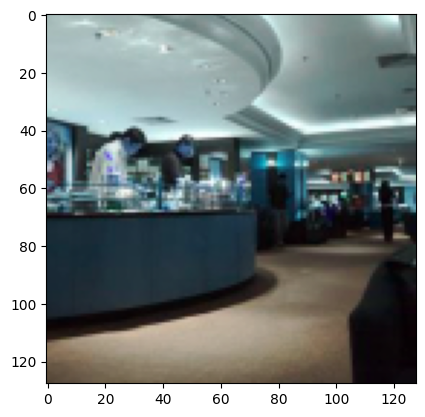
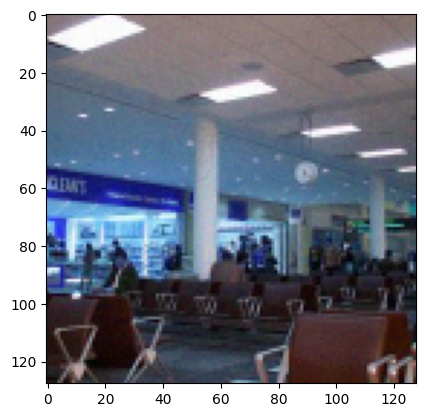
target_image = test_images[1].astype(np.uint8)
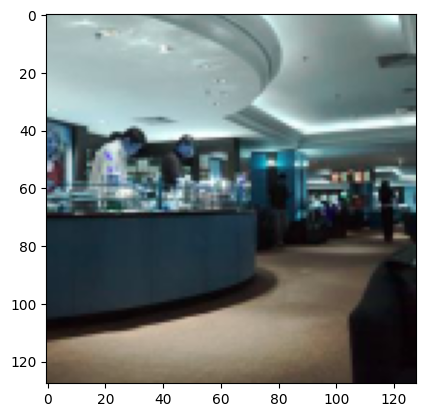
print('The true class of the target image is: ' + label_names[test_labels[1]])
print("The predicted class of the target image is: ", label_names[np.argmax(classifier.predict([target_image]))])
plt.imshow(target_image)
plt.show()
The true class of the target image is: airport_terminal
The predicted class of the target image is:  airport_terminal

# Check the class label of the target image
print("Label of the target image is: ", np.argmax(classifier.predict(np.array([target_image]))[0]))
Label of the target image is:  0
t = now()

attack = BoundaryAttack(estimator=classifier, targeted=False, max_iter=0, delta=0.5, epsilon=0.3)
iter_step = 200
x_adv = None
for i in range(5):
    x_adv = attack.generate(x=np.array([target_image]), x_adv_init=x_adv)
    # print the norm of the perturbation and show the perturbed image
    print("Adversarial image at step %d." % (i * iter_step), "L2 error",
          np.linalg.norm(np.reshape(x_adv[0] - target_image, [-1])),
          "and class label %d." % np.argmax(classifier.predict(x_adv)[0]))
    print('The label is', label_names[np.argmax(classifier.predict(x_adv)[0])])
    plt.imshow(x_adv[0].astype(np.uint8))
    plt.show(block=False)

    if hasattr(attack, 'curr_delta') and hasattr(attack, 'curr_epsilon'):
        attack.max_iter = iter_step
        attack.delta = attack.curr_delta
        attack.epsilon = attack.curr_epsilon
    else:
        break

print('Attack time: %s' % (now() - t))
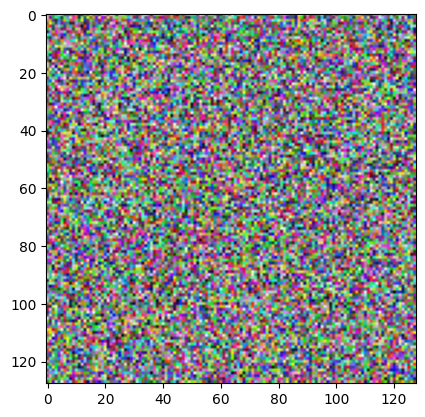
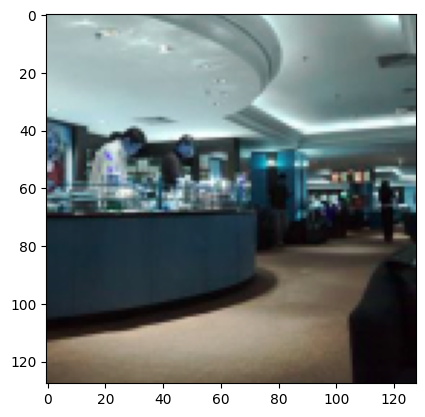
Adversarial image at step 0. L2 error 22074.703 and class label 1.
The label is amusement_park

Adversarial image at step 200. L2 error 28.43385 and class label 5.
The label is conference_room

Adversarial image at step 400. L2 error 17.082466 and class label 5.
The label is conference_room

Adversarial image at step 600. L2 error 13.2233925 and class label 5.
The label is conference_room

Adversarial image at step 800. L2 error 11.393714 and class label 5.
The label is conference_room

Attack time: 0:03:15.394160
print("The predicted class of the target image is: ", label_names[np.argmax(classifier.predict(x_adv))])
plt.imshow(x_adv[0].astype(np.uint8))
plt.show()
The predicted class of the target image is:  conference_room

Boundary Targeted Attack

# Select a target image to create an adversarial example
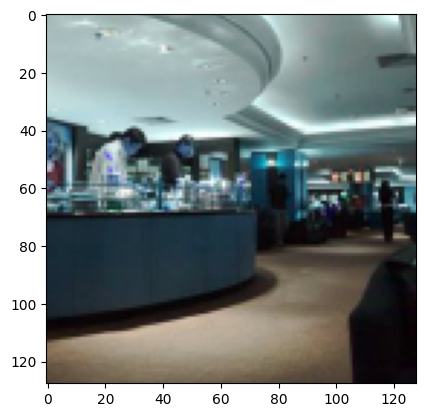
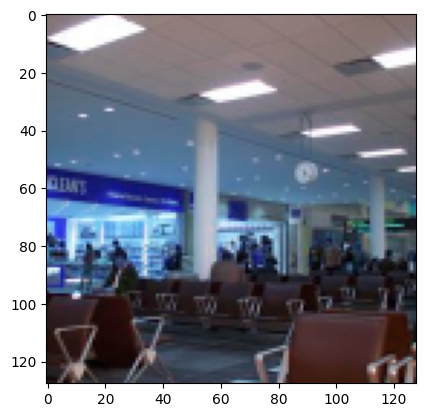
target_image = test_images[10].astype(float)
print('The true class of the target image is: ' + label_names[test_labels[10]])
print("The predicted class of the target image is: ", label_names[np.argmax(classifier.predict([target_image]))])
plt.imshow(target_image.astype(np.uint8))
plt.show()
The true class of the target image is: airport_terminal
The predicted class of the target image is:  airport_terminal

# Select one image from the target class as initial image
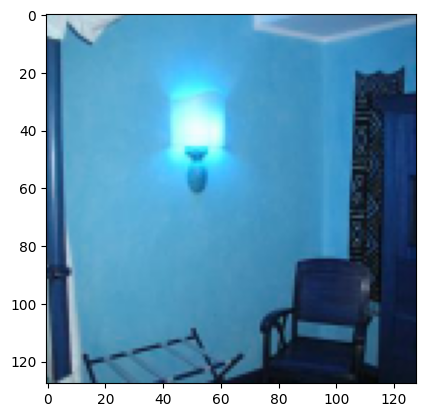
init_image = test_images[5]
print('The true class of the initial image is: ' + label_names[test_labels[5]])
print("The predicted class of the initial image is: ", label_names[np.argmax(classifier.predict(np.expand_dims(init_image, axis=0)))])
plt.imshow(init_image.astype(np.uint8))
plt.show()
The true class of the initial image is: bedroom
The predicted class of the initial image is:  bedroom

# Check the class label of the initial image
print("Label of the initial image is: ", np.argmax(classifier.predict(np.array([init_image]))[0]))
Label of the initial image is:  2
from tensorflow.keras.utils import to_categorical

attack = BoundaryAttack(estimator=classifier, targeted=True, max_iter=0, delta=0.5, epsilon=0.3)
iter_step = 200
x_adv = np.expand_dims(init_image, axis=0)

for i in range(5):
    x_adv = attack.generate(x=np.expand_dims(target_image, axis=0), y=to_categorical([2], 10), x_adv_init=x_adv)

    # print the norm of the perturbation and show the perturbed image
    print("Adversarial image at step %d." % (i * iter_step), "L2 error",
          np.linalg.norm(np.reshape(x_adv[0] - target_image, [-1])),
          "and class label %d." % np.argmax(classifier.predict(x_adv)[0]))
    print('The label is', label_names[np.argmax(classifier.predict(x_adv)[0])])
    plt.imshow(x_adv[0].astype(np.uint8))
    plt.show(block=False)

    if hasattr(attack, 'curr_delta') and hasattr(attack, 'curr_epsilon'):
        attack.max_iter = iter_step
        attack.delta = attack.curr_delta
        attack.epsilon = attack.curr_epsilon
    else:
        break

print('Attack time: %s' % (now() - t))
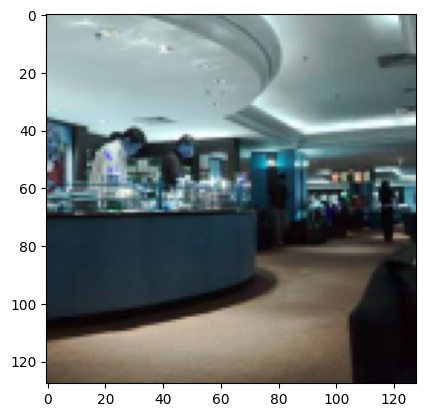
Adversarial image at step 0. L2 error 15905.6316127339 and class label 2.
The label is bedroom

Adversarial image at step 200. L2 error 1638.4147149979553 and class label 2.
The label is bedroom

Adversarial image at step 400. L2 error 1139.9544748054457 and class label 2.
The label is bedroom

Adversarial image at step 600. L2 error 918.2410406427243 and class label 2.
The label is bedroom

Adversarial image at step 800. L2 error 788.4534438908466 and class label 2.
The label is bedroom

Attack time: 0:06:50.538202
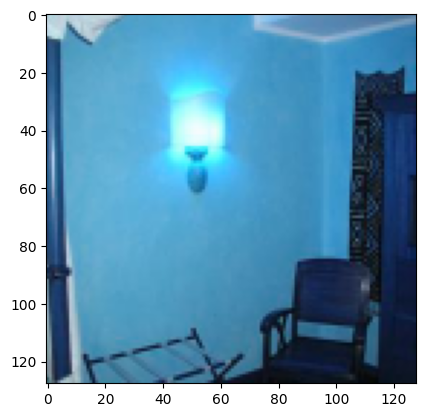
print("The predicted class of the target image is: ", label_names[np.argmax(classifier.predict(x_adv))])
plt.imshow(x_adv[0].astype(int))
plt.show()
The predicted class of the target image is:  bedroom